
Ledger.com/Start® — set up your Ledger hardware wallet
Ledger.com/start helps you set up your Ledger device, connect your wallet, manage crypto accounts, and explore essential security guidance.
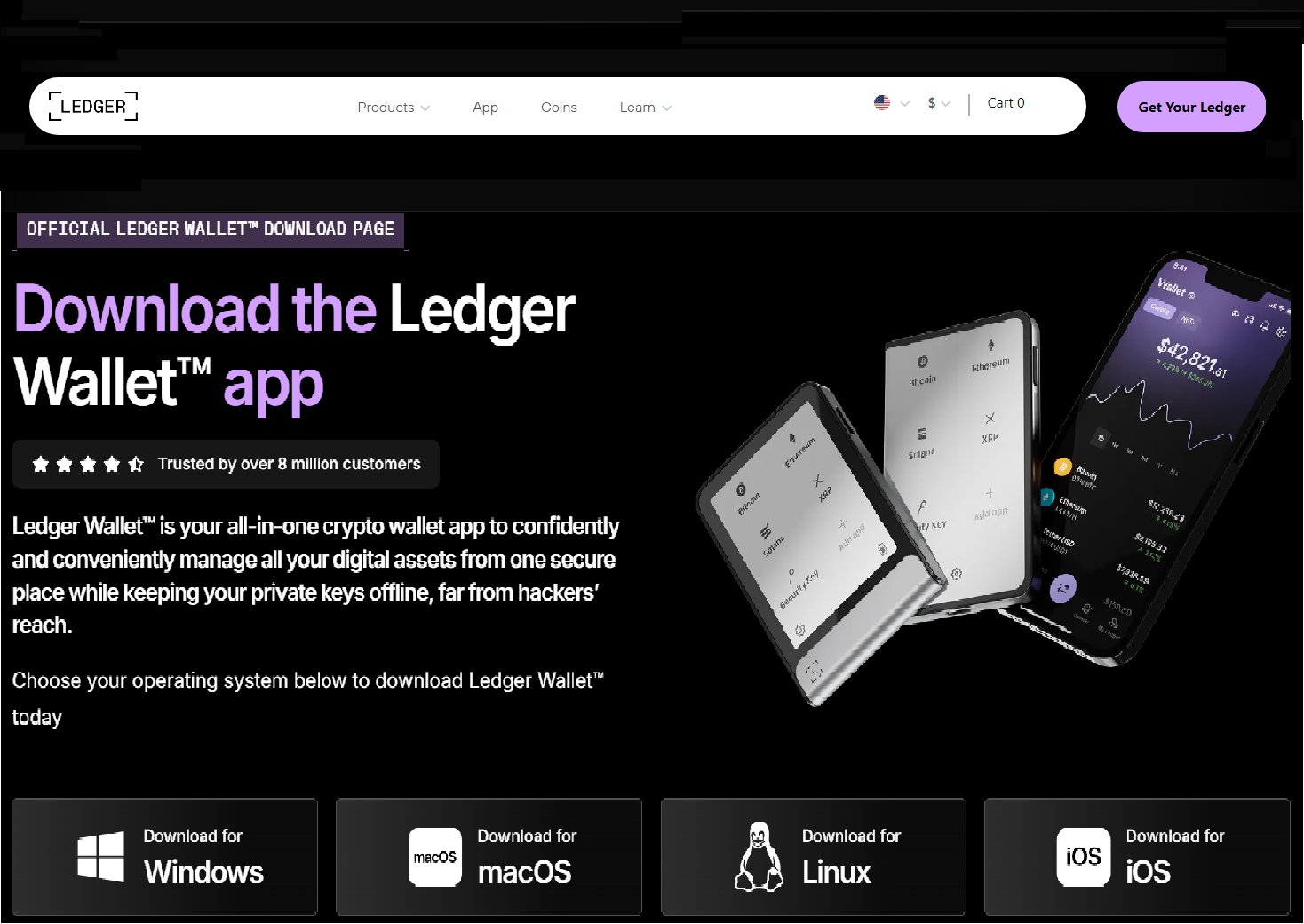
Ledger.com/start: Your Guide to Ledger Wallet Setup
Getting a hardware wallet ready for everyday crypto use starts with a careful setup. Ledger.com/start provides a central starting point for configuring a compatible Ledger device, connecting supported wallet software, and learning the basic security practices that should be followed throughout the wallet journey.
Start With the Right Setup Resource
Before connecting your device, make sure you are using the genuine Ledger website. Avoid downloading wallet applications from unfamiliar websites or following setup instructions sent through unsolicited messages.
Using the correct source is especially important because fake wallet pages may attempt to collect confidential information.
Configure Your Ledger Device
Connect your hardware wallet and follow the instructions displayed on the device and within the supported wallet application. Take your time and read each prompt before moving forward.
If you create a new wallet, the device will provide recovery information. Record it exactly as instructed and keep it somewhere secure and private.
Your recovery phrase should never be:
- Shared with another person
- Sent through email or messaging apps
- Saved as a screenshot
- Uploaded to cloud storage
- Entered into an unknown website
- Given to someone claiming to provide technical support
Connect Your Wallet Software
After completing the initial device configuration, supported Ledger wallet software can provide a convenient interface for managing compatible accounts.
Depending on the current version, device, and cryptocurrency, available functions may include checking balances, viewing activity, receiving assets, preparing transactions, and managing supported accounts.
The software is the interface, while the hardware wallet plays an important role in protecting the private keys used for authorization.
Review Transactions Carefully
When preparing to send cryptocurrency, always take time to inspect the transaction details.
Check the destination address and amount displayed on the physical Ledger device before confirming. If the information does not match your intended transaction, stop before approving it.
This verification habit can help reduce mistakes caused by incorrect addresses or deceptive transaction requests.
Protect Your Wallet Beyond Setup
Completing Ledger.com/start is only the beginning. Safe crypto management requires ongoing attention.
Keep your operating system and supported wallet software updated. Be cautious with browser extensions, websites, advertisements, and messages that request wallet information. If someone creates urgency and asks for your recovery phrase, treat the request as suspicious.
Helpful Troubleshooting Steps
If your device is not detected, check the physical connection first. Reconnect the cable, restart the wallet application, and make sure the device is unlocked.
If the problem continues, use official Ledger documentation for troubleshooting rather than relying on instructions from unknown online accounts.
Frequently Asked Questions
What is Ledger.com/start?
It is a starting resource for setting up and using a compatible Ledger hardware wallet.
Can my recovery phrase be stored online?
It is safer to keep recovery information offline and private rather than storing it digitally.
What should I check before sending crypto?
Review the recipient address and transaction amount directly on the hardware device before approving the transaction.
Final Thoughts
Ledger.com/start helps organize the initial steps of a Ledger wallet setup. A successful experience depends on more than installation: protect your recovery information, use trusted software, and make transaction verification part of your regular crypto routine.
Updated about 3 hours ago